
How to make a paper bag machine:Step-by-Step Guide to Designing and Building an Automated Paper Bag Machine
Release time:2025-04-30 Classification:Knowledge
Paper bags are a sustainable packaging solution widely used in retail, food service, and logistics. Building an automated paper bag machine requires precision engineering, an understanding of material science, and expertise in mechanical automation. This guide outlines the essential steps to design and assemble a functional, efficient paper bag manufacturing system.
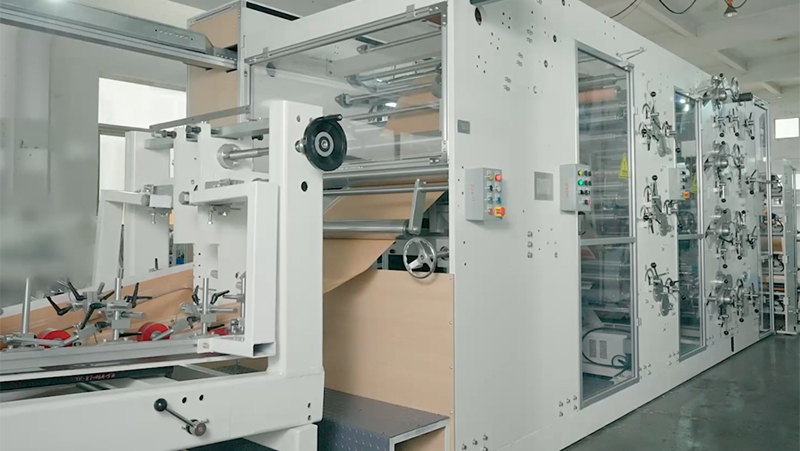
1. Define Machine Specifications
Begin by outlining the target output, bag dimensions (length, width, gusset depth), and paper material compatibility (e.g., kraft paper, recycled paper). Determine production speed (bags per minute) and automation level (semi-automatic vs. fully automatic).
2. Design the Mechanical Framework
- Frame Structure: Use high-strength steel or aluminum for durability. Incorporate modular design principles for easy maintenance.
- Drive System: Select servo motors or variable-frequency drives (VFDs) to control speed and torque. Ensure synchronization between components.
- Feed Mechanism: Design a roll-holder system with tension control to smoothly unwind paper rolls. Include sensors to detect paper jams or breaks.
3. Integrate Key Functional Units
- Forming Section: Utilize folding plates and rollers to shape the paper into a tube. Adjustable guides ensure consistent gusset formation.
- Bottom Sealing: Implement heat sealing or adhesive application systems. For eco-friendly options, use water-based adhesives.
- Cutting Unit: Install rotary blades or laser cutters synchronized with the feed rate for precise bag separation.
4. Automate Control Systems
- PLC Programming: Develop a programmable logic controller (PLC) to manage motor operations, sensor inputs, and error handling.
- HMI Interface: Add a touchscreen panel for operators to adjust parameters (e.g., bag size, speed).
- Safety Features: Integrate emergency stop buttons, overload protection, and light curtains for operator safety.
5. Testing and Calibration
- Conduct dry runs to identify mechanical misalignments or timing issues.
- Optimize adhesive temperature, pressure settings, and blade sharpness for clean seals and cuts.
- Gradually increase production speed while monitoring consistency and waste rates.
6. Maintenance and Optimization
- Schedule regular lubrication of moving parts and inspection of wear-prone components (e.g., blades, belts).
- Use predictive maintenance tools like vibration sensors to prevent unexpected downtime.
- Continuously refine software algorithms to enhance efficiency and reduce material waste.
Building a paper bag machine demands interdisciplinary expertise in mechanical engineering, automation, and process optimization. By focusing on robust design, precision control systems, and sustainable material handling, manufacturers can create a reliable machine capable of producing high-quality paper bags at scale. Prioritizing modularity and ease of maintenance ensures long-term operational efficiency, aligning with global demands for eco-friendly packaging solutions.


